Deploy the code you own
Connect a repository and branch, review the build and start commands, then set the runtime port and health check. Static sites and web services have different operating needs.
Run web applications and supporting services in an environment your team can understand.
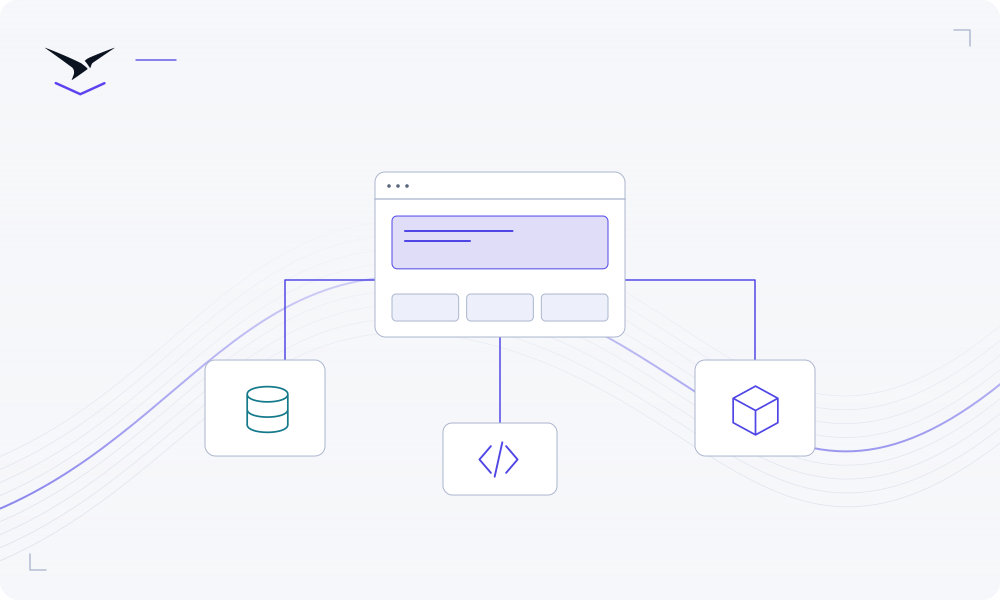
A full-stack app has more to it than the interface. Configure the backend runtime, attach the services it needs and keep sensitive values out of the repository. Use the deployment history and logs to understand what changed when a release needs attention.
Connect a repository and branch, review the build and start commands, then set the runtime port and health check. Static sites and web services have different operating needs.
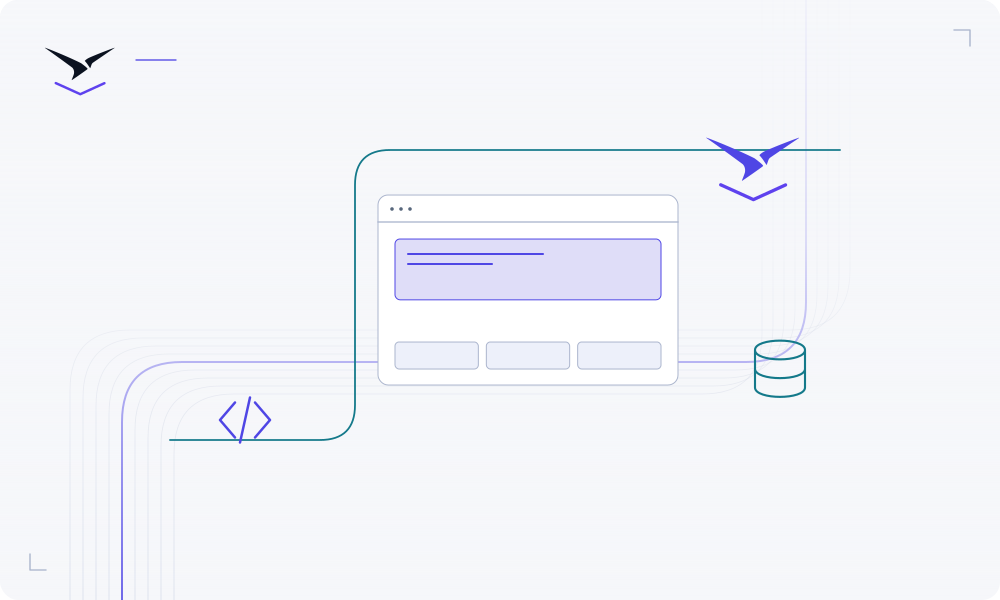
Put the service in the appropriate environment and use explicit private connections where supported. Keep server credentials out of browser code and source control.
Inspect deployment status and logs, verify the URL and test the application’s main workflow. Record who owns configuration changes, service upgrades and recovery.
Detailed instructions are maintained in the product documentation.
Use a supported runtime or a Dockerfile. Review the application guide for your build output and server requirements.
Name an owner and review the service-specific persistence and recovery instructions before relying on its data.
Start with deployment logs, build commands, runtime port, health checks and required variables, then follow the troubleshooting guide.
Bring your code or choose a service, then give the result a clear operating home.
Start building ↗