From a useful idea to software your team can run.
Find the right workflow for your app, your team and the infrastructure behind it.
 For your team
Founders
Turn your repository or agent-built prototype into an application with data, services and a URL you can share.
 For your team
Developers
Deploy a Git-backed web service or static site, connect private services and follow the release from one workspace.
 For your team
Agencies
Give client projects a clear workspace, service boundary and path from development to production.
 For your team
Business teams
Start with a catalog service or a coding-agent workspace, then involve the right technical owner.
 For your team
Marketers
Bring content, analytics and automation services into the same operating workspace.

 For your team
Product managers
Give prototypes a shareable deployment and keep test work separate from the production environment.
 For your team
Platform teams
Give builders applications and services while keeping access, policies and operating ownership in view.
 For your team
Enterprise
Bring identity, scoped roles, approvals and audit history into the workflow for running applications.
 Solutions
AI-built applications
Move from a generated project to an application with the services, configuration and operating context it needs.
 Solutions
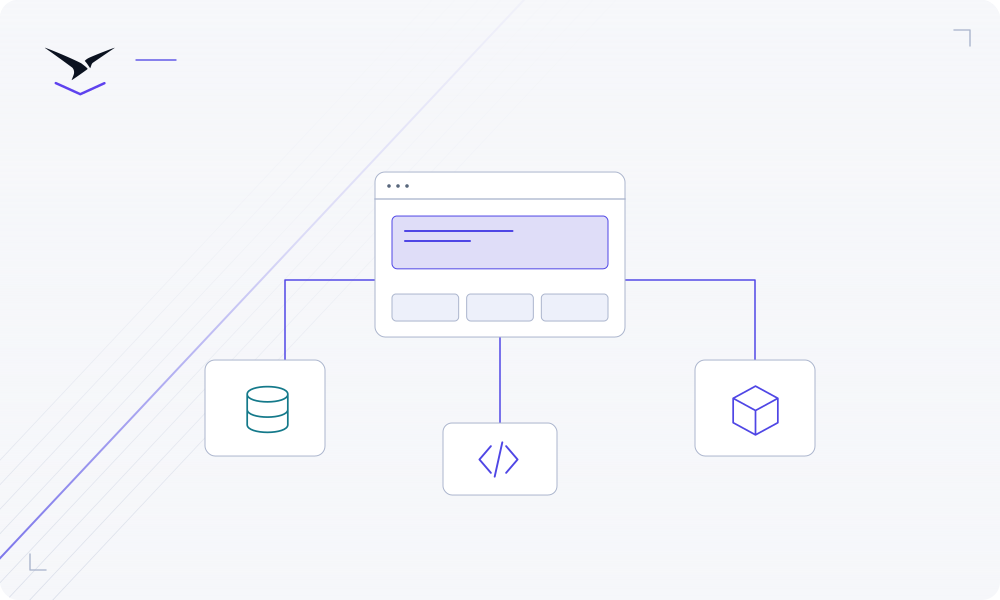
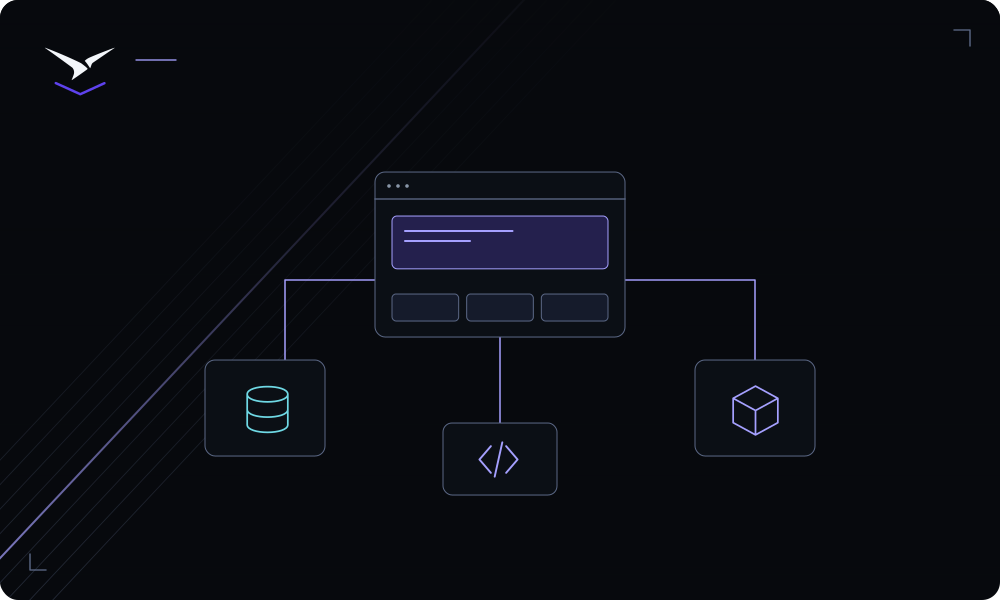
Full-stack hosting
Run web applications and supporting services in an environment your team can understand.
 Solutions
Internal tools
Run the dashboards, portals and workflows that make a particular team’s work easier.
 Solutions
Private AI
Connect models, interfaces, vector stores and observability tools with explicit service access.
 Solutions
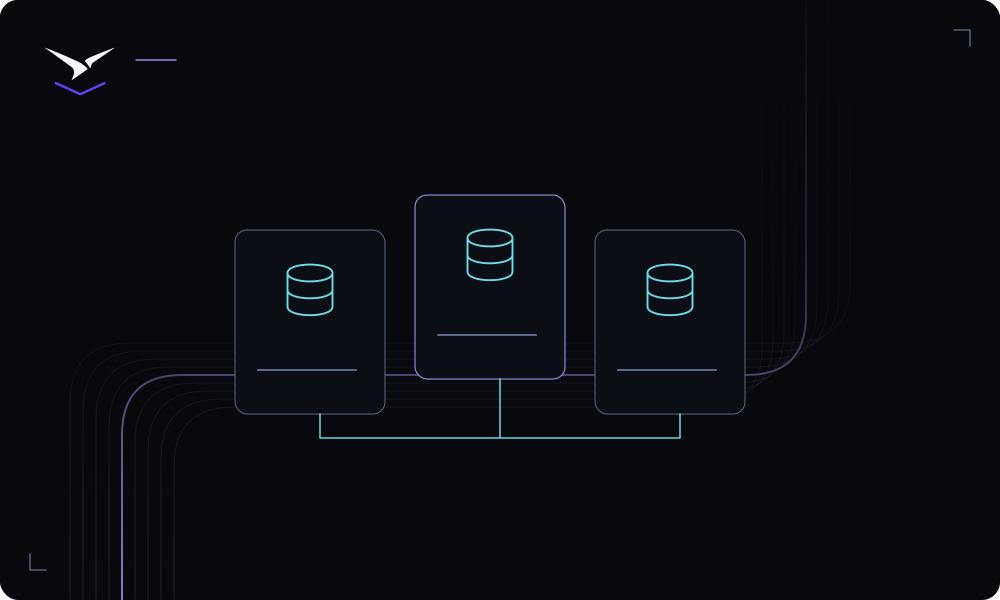
Database hosting
Choose a database service, connect it privately and plan storage, access and recovery.
 Solutions
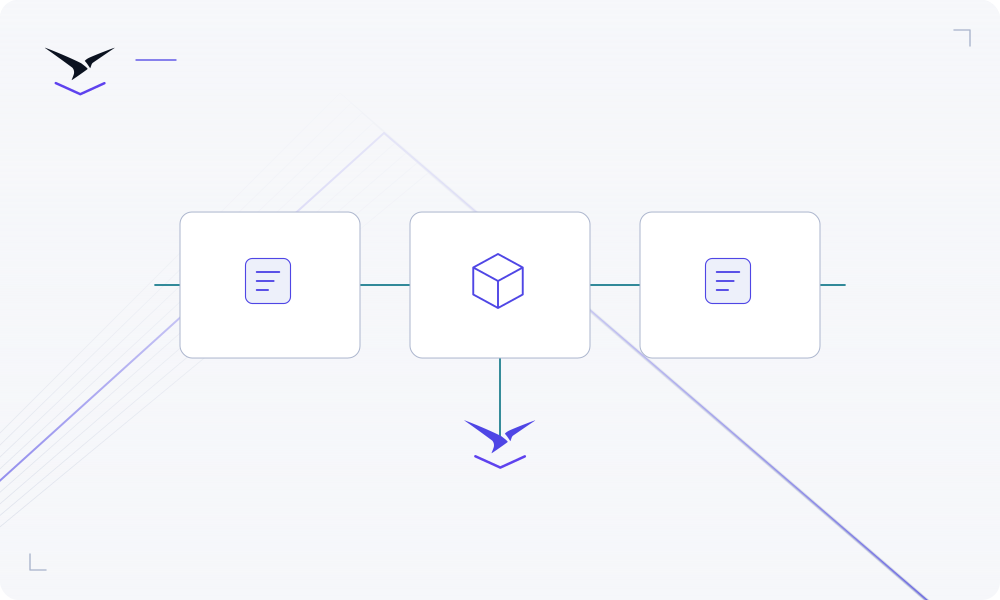
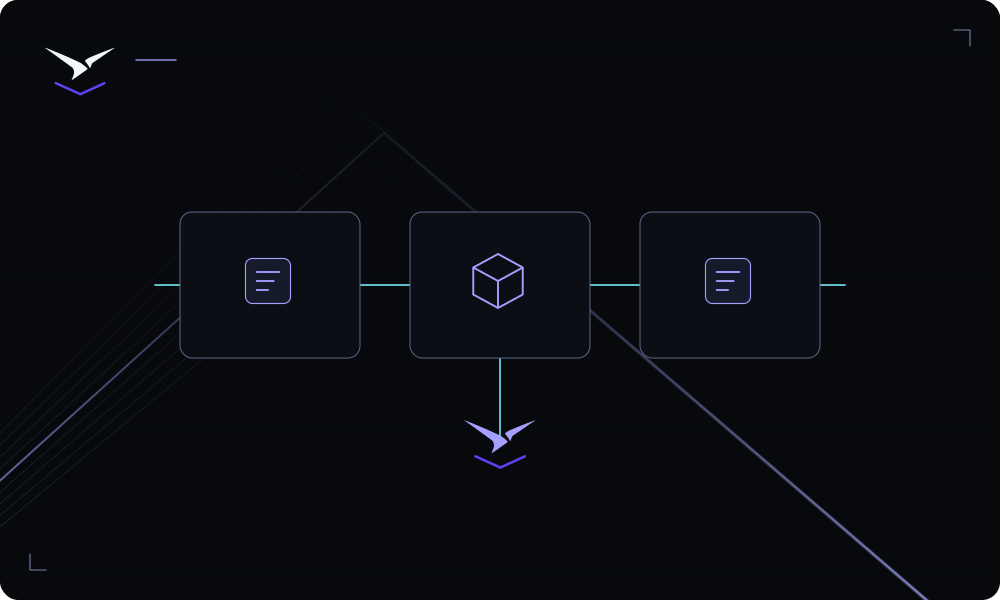
Workflow automation
Deploy automation services and connect them to the applications and data they need.
 Solutions
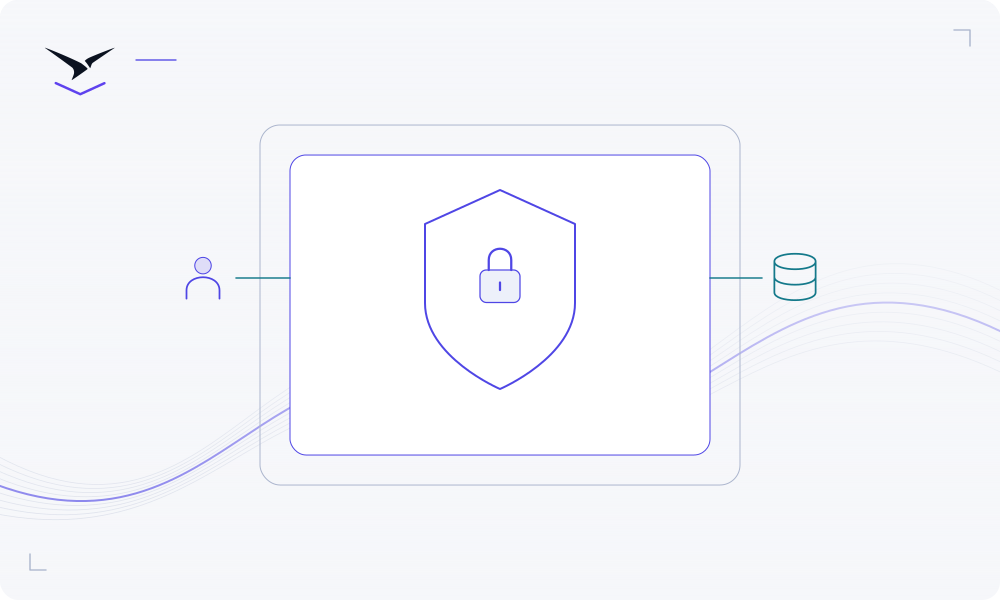
Your infrastructure
Plan a Moltern deployment around infrastructure ownership, data boundaries and operating responsibility.

 Guides
Short workflows for deploying an app, connecting data and handing access to your team.

 Guides
Deploy your first app
Choose the environment, configure the runtime and inspect the first deployment before sharing it.
 Guides
Connect a private database
Keep the database in the right environment and use Moltern’s explicit service connection workflow.
 Guides
Deploy agent-built code
Use a scoped coding workspace, inspect the result and deploy it as an application.
 Guides
Launch an internal tool
Choose the smallest app or service that can deliver a useful result to real users.

 Guides
Create a preview environment
Separate preview workloads and configuration from the application people already depend on.
 Guides
Run a private AI stack
Start with a documented service combination and review every connection before use.
 Guides
Manage team and agent access
Use managed roles, narrow scopes and a clear way to review or revoke access.
 Guides
Move an app to Moltern
Map the repository, variables, services and domains before changing production traffic.
 Compare
Comparison library
Compare deployment, data, agents and governance. Start with the workload you need to run, then check the operating model.
 Compare
Moltern vs Railway
Railway centers on Git-backed services, private networking and usage-based resources in managed projects.

 Compare
Moltern vs Render
Render brings web services, background workers, Postgres and Redis-compatible storage into a managed deployment workflow.
 Compare
Moltern vs Vercel
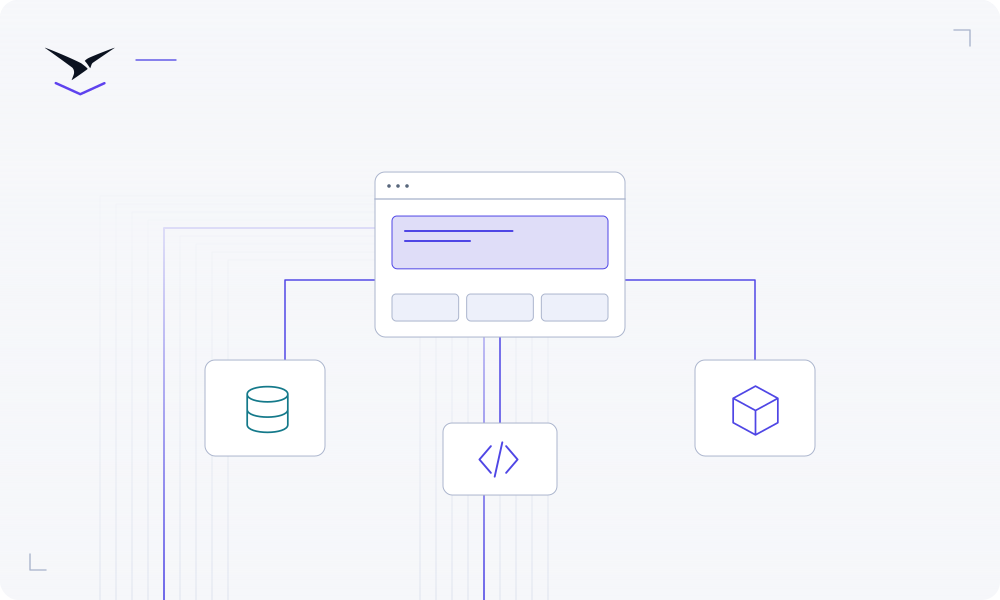
Vercel emphasizes framework-aware web delivery, previews, functions and an expanding suite of AI and platform products.
 Compare
Moltern vs Heroku
Heroku builds around dynos, buildpacks, pipelines and add-ons, with Private Spaces for dedicated enterprise networking.
 Compare
Moltern vs Fly.io
Fly.io gives developers regional Machines, volumes, private networking and a CLI-oriented operating model.
 Compare
Moltern vs DigitalOcean App Platform
App Platform manages apps, workers and static sites while connecting to the broader DigitalOcean database and infrastructure portfolio.
 Compare
Moltern vs Coolify
Coolify is an application and service deployment layer for servers you control, with Docker-based workloads and service templates.

 Compare
Moltern vs Dokploy
Dokploy focuses on Docker applications, Compose stacks, databases and remote-server deployment under your team’s operation.
 Compare
Moltern vs Portainer
Portainer manages container environments and clusters; Business Edition adds organizational controls for container operations.
 Company
About Moltern
We are building a clearer path from a repository or agent workspace to software a team can operate.
 Company
Contact
Bring an application, a service requirement or a question about operating Moltern with your team.
 Company
Press and media
Product context, official links and brand assets for people writing about Moltern.
 Company
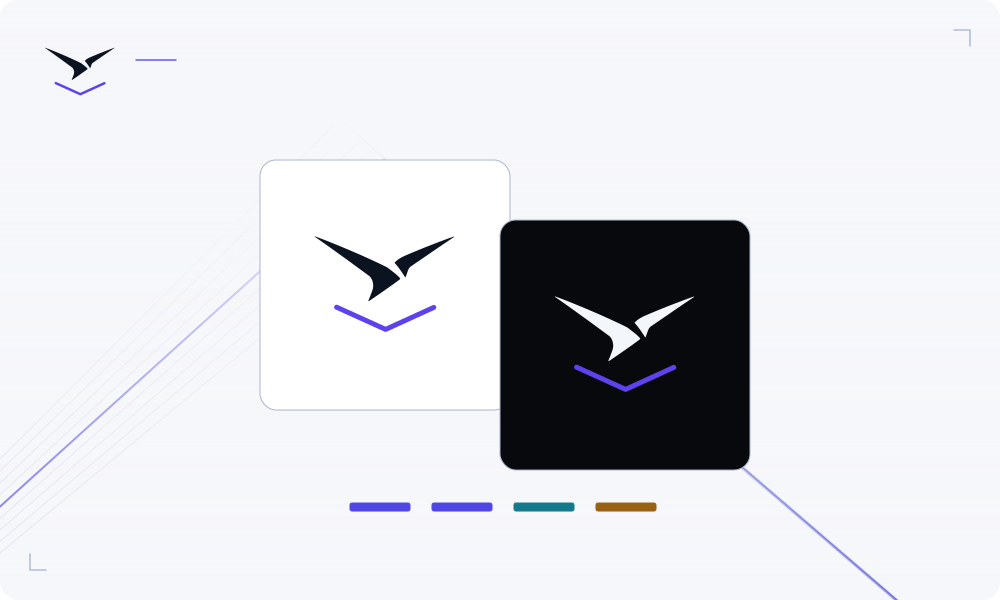
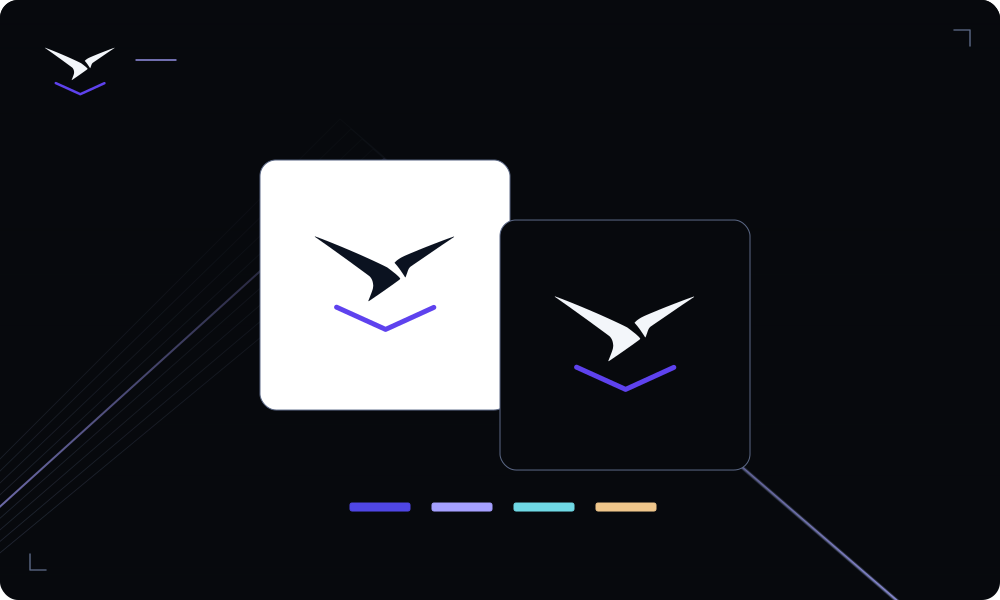
Brand kit
Download Moltern’s original assets and explore the colors, typography and Flight paths artwork.
 Programs
Partners
Work with Moltern on deployment, service integrations and the teams that need them.
 Programs
Affiliate program
Apply to introduce Moltern to an audience that needs applications, services and operating control.

 Programs
Startup program
Apply with your project, the team behind it and the workloads you want to run.

 Programs
Student program
Apply with your course, learning project or student team and the environment you need.
 Resources
Public API reference
Read the published OpenAPI schema for public catalog discovery and health checks.
 Resources
Command-line workflows
Use documented coding-agent terminals and provider CLIs inside a scoped Moltern workspace.
 Resources
Status and operations
Use your dashboard, workload logs and operational guides to investigate a service.
 Resources
Careers
We are interested in people who care about applications, infrastructure and the details between them.
 Compare
Moltern vs Boat
Boat offers persistent Linux VMs, SSH, Docker, desktop access and snapshot workflows for developers and agents.
 Compare
Moltern vs E2B
E2B provides SDK-driven isolated environments for agent code execution, with templates, pause/resume and desktop sandboxes.
 Compare
Moltern vs Daytona
Daytona provides programmable computers for agents, with SDKs, snapshots, computer use and bring-your-own-compute options.
 Compare
Moltern vs Modal
Modal combines serverless functions, GPU workloads and programmable sandboxes, with Python-centered deployment and storage primitives.
 Compare
Moltern vs Namespace
Namespace emphasizes agent devboxes, accelerated CI runners, builds and reusable storage for development workflows.

 Compare
Moltern vs Blaxel
Blaxel brings sandboxes, volumes, batch jobs, MCP hosting and model connectivity together around autonomous-agent infrastructure.
 Compare
Moltern vs exe.dev
exe.dev offers persistent root-access computers with SSH, shared resource pools and the Shelley web coding agent.
 Compare
Moltern vs Cloudflare Sandboxes
Cloudflare connects sandbox execution to Workers, with command APIs, previews, terminals and R2-backed storage workflows.
 Compare
Moltern vs Vercel Sandbox
Vercel Sandbox is an execution primitive for untrusted code, integrated with Vercel’s developer platform rather than a complete service catalog.
 Compare
Moltern vs Deno Sandbox
Deno Sandbox provides API-driven Linux microVMs, SSH, HTTP exposure, volumes and snapshots alongside Deno Deploy.
 Compare
Moltern vs Fly.io Sprites
Sprites are persistent Linux environments that preserve filesystem and memory state, designed for agents and intermittently active services.
 Compare
Moltern vs Runloop
Runloop documents devboxes, blueprints, snapshots and agent tooling; review its published transition guidance when planning a new dependency.
 Compare
Moltern vs Northflank
Northflank combines container services, jobs, databases, sandboxes and GPU options across its managed cloud and customer cloud infrastructure.
 Compare
Moltern vs Replit
Replit puts an AI-assisted development environment, collaboration and app publishing together in a browser-based product workflow.
 Compare
Moltern vs Amazon Bedrock AgentCore
AgentCore provides agent runtimes, identity, memory, gateways, code execution and browser tooling within the AWS ecosystem.

 Compare
Moltern vs Hetzner Cloud
Hetzner Cloud provides servers, volumes, networks and infrastructure APIs; your team builds and operates the application platform above them.

 Compare
Moltern vs Amazon Lightsail
Lightsail packages AWS virtual servers, blueprints, networking and related services for teams wanting a simpler infrastructure entry point.
 Compare
Moltern vs Azure App Service
Azure App Service runs web applications and APIs on managed plans, with Azure identity, networking and adjacent data services.
 Compare
Moltern vs Google Cloud Run
Cloud Run operates containerized services, jobs and worker pools on Google Cloud, integrating with its identity, networking and data services.
 Compare
Moltern vs Netlify
Netlify centers on Git-driven web publishing, deploy previews, functions, forms and platform storage for modern web projects.
 Compare
Moltern vs Supabase
Supabase starts with Postgres, Auth, Storage, Realtime and Edge Functions; broader application hosting remains a separate architecture choice.
Start with one useful workload.
Bring your code or choose a service, then give the result a clear operating home.
Start building ↗